



Can Forex Restrictions Effectively Shield the Rupiah?
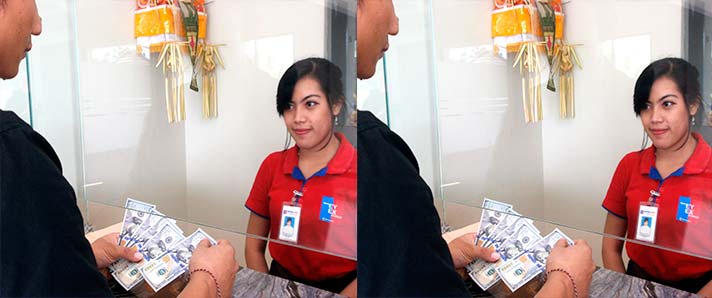
Bank Indonesia has lowered the threshold for cash dollar purchases against the rupiah starting April 1, 2026. This tightening measure is designed to dampen the impact of geopolitical turmoil on the depreciation of the local currency.
The central banks Governor Perry Warjiyo stated that this effort aims to maintain foreign exchange traffic. Among the steps we have taken is the strengthening of forex transaction policies, starting in April, to support the stability of the rupiah exchange rate, specifically by adjusting the cash purchase threshold of foreign exchange against the rupiah from US$100,000 per entity per month to US$50,000," Perry said during the Board of Governors Meeting on Tuesday, March 17, 2026.
Previously, individuals or companies could purchase cash dollars up to US$100,000 per month without submitting purchase documents. Starting in April 2026, that threshold will be halved. This means anyone purchasing cash dollars exceeding US$50,000 per month is required to submit underlying documentary evidence for the transaction.
BI is also simultaneously implementing two other transaction policies: increasing the threshold for DNDF/Forward sales from US$5 million to US$10 million per transaction, and raising the threshold for Swap buy-and-sell from US$5 million to US$10 million per transaction.
Permata Bank Chief Economist Josua Pardede noted that this new central bank policy is quite effective in containing short-term pressure on the rupiah. However, its impact serves more as a restraint on volatility than a driver of sharp strengthening, he told Tempo on Tuesday, March 24, 2026.
According to Josua, the primary effectiveness will be seen in shifts in market behavior. Lowering the cash purchase limit and requiring documents for overseas transfers ensures that medium-to-large forex transactions are more quickly monitored, thereby reducing the room for excessive precautionary dollar hoarding.
At the same time, increasing the DNDF or forward and swap limits expands the space for businesses to hedge within the domestic market, ensuring that dollar demand is not solely concentrated in the spot market.
The policy direction is clear: to contain the demand for U.S. dollars that could accelerate depreciation while expanding more orderly risk management channels, he said.
With foreign exchange reserves as of late February 2026 amounting to US$151.9 billion, or equivalent to 6.1 months of imports, BI still maintains sufficient buffers to ensure market stability. However, the main source of pressure on the rupiah currently stems from external factors.
In March 2026, BI recorded a net portfolio capital outflow of US$1.1 billion, with the rupiah trading near its weakest level at around 17,000 per U.S. dollar. Consequently, this new policy is an effort to prevent the rupiah from weakening too rapidly or too deeply, rather than a tool to autonomously reverse its direction.
To achieve a stronger rupiah, BI requires external support from improved global sentiment, falling oil prices, and a recovery in foreign capital inflows. It is not solely down to tightening forex transaction rules, Josua added.
Bank Indonesia reported on March 16, 2026, that the rupiah sat at around 16,985 per U.S. dollar, weakening by 1.29 percent compared to the end of February. Meanwhile, Jakarta Interbank Spot Dollar Rate (JISDOR) data recorded at the close of trading on March 17, 2026, showed the rupiah at 16,982. In the spot market, at the close of trading on March 24, 2026, the rupiah was recorded at 16,897 per U.S. dollar, an increase of 99 points from the previous day.
Source : tempo.co
Mar 28th, 2026
| Bank note current rate: | ||||||||||||||||||||||||||||||||||||||||||||||||||||||||||||||||||||||||||||||||||||||||||||||||||||||||
| ||||||||||||||||||||||||||||||||||||||||||||||||||||||||||||||||||||||||||||||||||||||||||||||||||||||||
|
||||||||||||||||||||||||||||||||||||||||||||||||||||||||||||||||||||||||||||||||||||||||||||||||||||||||
| Last Updated :15 Sep 2026 - 03:27 PM | ||||||||||||||||||||||||||||||||||||||||||||||||||||||||||||||||||||||||||||||||||||||||||||||||||||||||
| These are indicative rates. For actual exchange rates, please visit or call our outlets at (0361) 4741 940. We reserve the right to change the rates at any time without prior notice. | ||||||||||||||||||||||||||||||||||||||||||||||||||||||||||||||||||||||||||||||||||||||||||||||||||||||||
|
|
||||||||||||||||||||||||||||||||||||||||||||||||||||||||||||||||||||||||||||||||||||||||||||||||||||||||
|
Please Note : Central Kuta does not sell foreign currencies in small denominations. Please Contact us for further information. |
||||||||||||||||||||||||||||||||||||||||||||||||||||||||||||||||||||||||||||||||||||||||||||||||||||||||


